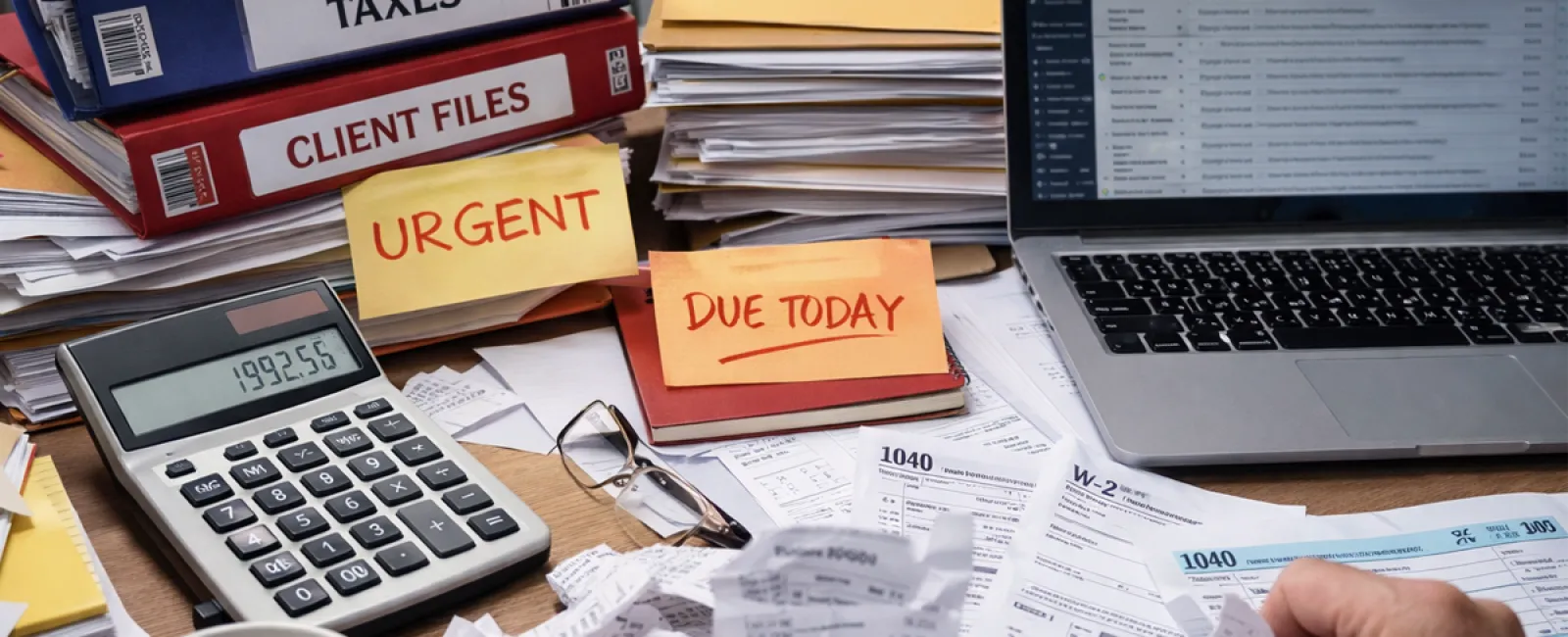
March is here.
Your accounting team is overwhelmed, your bookkeeping is hectic, and deadlines are closing in fast. The barrage of emails is relentless, piling up quicker than anyone can manage.
Everyone is heads-down, struggling just to make it through the month.
This scenario probably feels all too familiar.
But don't forget — hackers are watching too.
Security experts constantly report a dramatic rise in phishing attacks during tax season, with March seeing about a 28% surge in tax-related scam emails compared to other times of the year. These deceptive emails blend seamlessly into regular business communications, hitting inboxes when people are at their busiest.
This isn't accidental.
It's strategic timing.
Here's what to expect and four straightforward strategies to protect your business from becoming an easy mark.
The Strain on the Supply Chain
Most overlook this fact:
Hackers aren't simply targeting accounting offices.
They're exploiting the chaos surrounding tax season.
During this season:
- Clients urgently send sensitive documents
- Staff skip usual safeguards to keep up with the workload
- The phrase "Just send the file" replaces cautious procedures
- Verification steps are bypassed due to overwhelming pressure
The entire system accelerates.
And when things move fast, errors become more likely.
Hackers zero in on businesses that are rushed, not the calm and careful ones.
March is precisely that time.
Spotlight on Common Attack Tactics
This is no fictional thriller.
These phishing attempts arrive as emails virtually indistinguishable from your everyday messages.
- A message appearing to be from "your accountant" asking you to resend W-2s due to a technical glitch
- An email from a vendor requesting updates to their bank details
- A DocuSign request urgently asking you to sign a tax document within the day
- An urgent plea from "your CEO," supposedly traveling and needing immediate help
None of these messages raise suspicion at first glance.
They feel like routine business in March.
That's their strength.
Why Busy Professionals Fall for These Scams
This isn't about negligence.
It's simply human nature.
Under pressure and flooded with emails, people tend to skim rather than read closely. They make assumptions and react quickly.
Scammers take advantage of this.
Their emails are crafted to trick busy individuals who are moving too fast to detect subtle errors. They don't need recklessness — just a rushed mindset.
And in March, that's exactly the state most people are in.
Four Easy Steps to Strengthen Your Defenses
The best part? You don't need complex security systems or dedicated teams to enhance your safety.
Adopt these simple yet effective habits during busy seasons:
1. Confirm payment changes by phone
If an email claims a vendor's bank info has changed, don't just reply.
Call a known, trusted phone number to verify.
This practice blocks some of the costliest scams companies face.
2. Don't rush sensitive information requests
Any urgent demands should trigger a pause.
If someone asks for W-2s, tax records, or financial data "immediately," take a moment to confirm.
Genuine requests tolerate verification; fraudsters will push back.
3. Double-check urgent requests through another channel
Emails declaring urgency should always be validated with a call, text, or internal message.
A quick extra check can intercept mistakes before they happen.
Real urgency holds up under scrutiny—fake urgency does not.
4. Alert your team about scam risks
This week, remind your staff that tax season invites scams.
Encourage them to slow down, double-check, and question requests that seem off.
This simple shift in mindset can save you hours of costly cleanup.
The Bottom Line
Tax season is already stressful—don't let scams add to the burden.
These attacks aren't advanced; they rely on perfect timing.
They exploit rushed decisions.
They depend on unchecked assumptions.
They take advantage of everyone pushing hard through March.
You don't need to drastically change your processes to stay safe.
Just remember to pause and confirm when something demands immediate action.
Often, that's all it takes.
A Quick Check to Protect Your Business This Season
Your company may already have robust habits, which is excellent.
But if tax time tends to push your team into reactive mode or you're unsure how urgent requests are handled, consider a free 15-Minute Discovery Call for a quick safety review.
No gimmicks, no pressure—just straightforward advice on preventing costly errors during peak season.
If this doesn't apply to you, feel free to share with someone who could use it.
Click here or give us a call at 919-741-5468 to schedule your free 15-Minute Discovery Call.