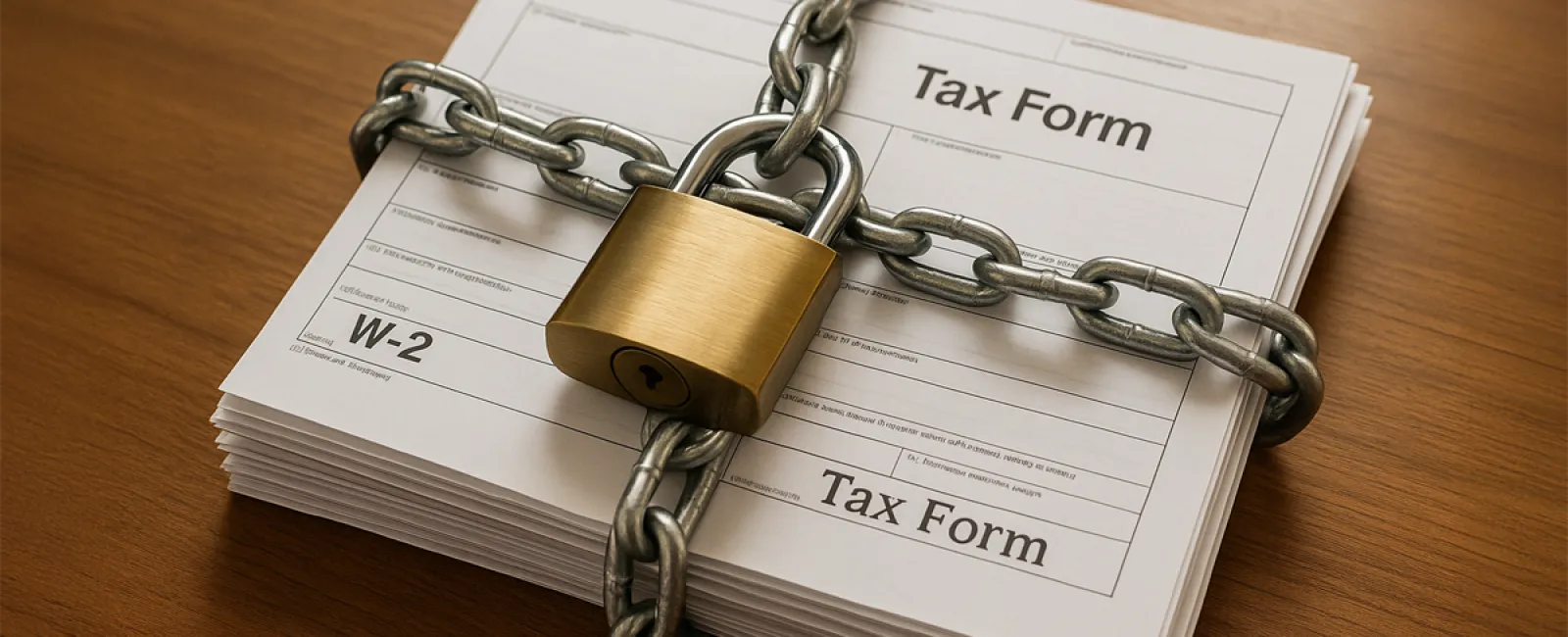
February marks the peak of tax season, when accountants are swamped and bookkeepers are scrambling for documents. The focus is on W-2s, 1099s, and looming deadlines.
But here's a hidden danger you won't see on your calendar: the first major headache during tax season often isn't a form—it's a sophisticated scam.
This scam appears early, well before April, because it's simple, convincing, and targets small businesses. It might already be lurking in someone's inbox.
Understanding the W-2 Scam: The Method Behind It
Here's how it unfolds:
An employee responsible for payroll or HR receives an email that appears to come from the CEO, owner, or an executive.
The message is brief but urgent:
"I need copies of all employee W-2s for an important meeting with the accountant. Please send them ASAP—I'm swamped today."
The request seems legitimate. The tone fits, and the urgency makes sense during the busy tax season.
So, your employee unwittingly forwards the W-2s.
But the email isn't from the CEO; it's from a cybercriminal using a spoofed address or a deceptive, similar domain.
Now the fraudster has sensitive employee details:
• Full legal names
• Social Security numbers
• Home addresses
• Salary data
All the information needed for identity theft and to file fraudulent tax returns ahead of your employees.
The Fallout: What Happens Next
Typically, victims discover the breach when:
An employee files their tax return only to receive a rejection: "Return already submitted for this Social Security number."
Someone else has already claimed their tax refund.
Now your employee faces IRS investigations, credit monitoring challenges, identity theft protection, and months of hassle—all stemming from a deceitful email.
Multiply this nightmare across your entire payroll, and imagine breaking the news that their personal data was compromised due to a scam.
This goes beyond security—it's a trust crisis, an HR challenge, legal liability, and a threat to your company's reputation.
Why This Scam Is So Effective
This isn't a clumsy "Nigerian prince" email. It's designed to look authentic.
It succeeds because:
Timing is perfect—requests for W-2s are common in February, so it looks expected.
The request is reasonable—unlike fraudulent asks to wire money or buy gift cards, this aligns with normal tax season processes.
Urgency feels natural—expressing a busy schedule prompts quick compliance without second thoughts.
The sender appears credible—fraudsters research targets, impersonating key figures by name and email domain.
Employees want to help, especially their boss. This eagerness and urgency override cautious verification.
Preventing the W-2 Scam: Practical Steps to Safeguard Your Business
The good news: with the right policies and culture, this scam can be stopped.
Implement a strict "no W-2s via email" policy. No exceptions. Sensitive payroll data should never leave your premises as email attachments. If anyone requests it by email—even seemingly the CEO—the answer must be "no."
Always verify sensitive requests through a separate channel: a phone call, face-to-face, or a known chat platform. Use contact details you already have—not the ones in the suspicious message. This quick check takes seconds and can prevent months of trouble.
Conduct a concise tax scam briefing now—don't wait. Alert your payroll and HR teams about looming threats: what to watch for and how to respond. Awareness is your best defense.
Secure payroll and HR systems with multi-factor authentication (MFA) wherever employee data is accessed. MFA provides a critical last barrier if credentials are compromised.
Encourage a culture where verification is valued. Employees who double-check requests should be commended, not criticized. When questions are welcomed, scams lose their opportunity.
These five straightforward rules can be implemented quickly but offer powerful protection against initial scams.
Looking Beyond the W-2 Scam
The W-2 scam is only the beginning.
Between now and April, anticipate many tax-themed cyber threats including:
• Phony IRS notices demanding immediate payments
• Phishing emails disguised as tax software updates
• Spoofed emails appearing to come from your accountant, containing harmful links
• Fraudulent invoices masquerading as legitimate tax expenses
Tax season is a prime time for criminals because of widespread distraction and fast-paced financial activities.
Businesses that navigate tax season without incident aren't lucky—they're well-prepared.
They have clear policies, employee training, and systems designed to detect suspicious requests early.
Is Your Business Prepared?
If your policies are in place and your team is savvy, you're ahead of many small businesses.
If not, the best time to act is now—before the first scam targets your company.
Consider scheduling a 15-minute Tax Season Security Check.
We'll assess:
• Payroll and HR system access controls and MFA
• Your protocols for verifying W-2 requests
• Email security measures against spoofing
• One critical policy adjustment often overlooked
If you're already secure, fantastic! But you probably know a business owner who could benefit from this advice. Share this article—it could save them from costly damage.
Click here or give us a call at 919-741-5468 to schedule your free 15-Minute Discovery Call.
Because tax season is stressful enough—identity theft shouldn't make it worse.